Understanding Executive Orders: A Comprehensive Guide - The process of issuing an executive order involves several steps. First, the president drafts the order, often with input from advisors and legal counsel. Once finalized, the order is signed by the president and published in the Federal Register, making it officially enforceable. George Washington issued the first executive order in 1789, setting a precedent for future presidents. Over time, the use of executive orders has evolved, with some presidents using them more frequently than others. For example, Franklin D. Roosevelt issued over 3,700 executive orders during his presidency, while modern presidents tend to issue far fewer.
The process of issuing an executive order involves several steps. First, the president drafts the order, often with input from advisors and legal counsel. Once finalized, the order is signed by the president and published in the Federal Register, making it officially enforceable.
What is an Executive Order and How Does it Work? ACLU of South Dakota
As with any tool of executive power, executive orders must be used responsibly and within constitutional limits. By balancing the need for effective governance with the principles of democracy and accountability, we can ensure that executive orders serve the best interests of the nation.
Congressional statutes also provide a legal basis for certain executive orders. When Congress passes a law, it often delegates authority to the president to implement and enforce it. Executive orders serve as a mechanism to exercise this delegated authority.
Despite their utility, executive orders have been the subject of controversy and debate. Critics argue that they allow presidents to bypass Congress and expand executive power beyond constitutional limits. Others contend that they undermine the system of checks and balances, concentrating too much authority in the executive branch.
An executive order is a legally binding directive issued by the President of the United States. It serves as a tool to manage the operations of the federal government and implement laws. Unlike legislation, which requires congressional approval, executive orders can be issued unilaterally by the president, making them a powerful instrument of executive authority.

For example, President Harry Truman's executive order desegregating the armed forces in 1948 marked a significant step forward in civil rights. Similarly, President Barack Obama's executive order establishing the Deferred Action for Childhood Arrivals (DACA) program provided temporary relief for undocumented immigrants brought to the U.S. as children.
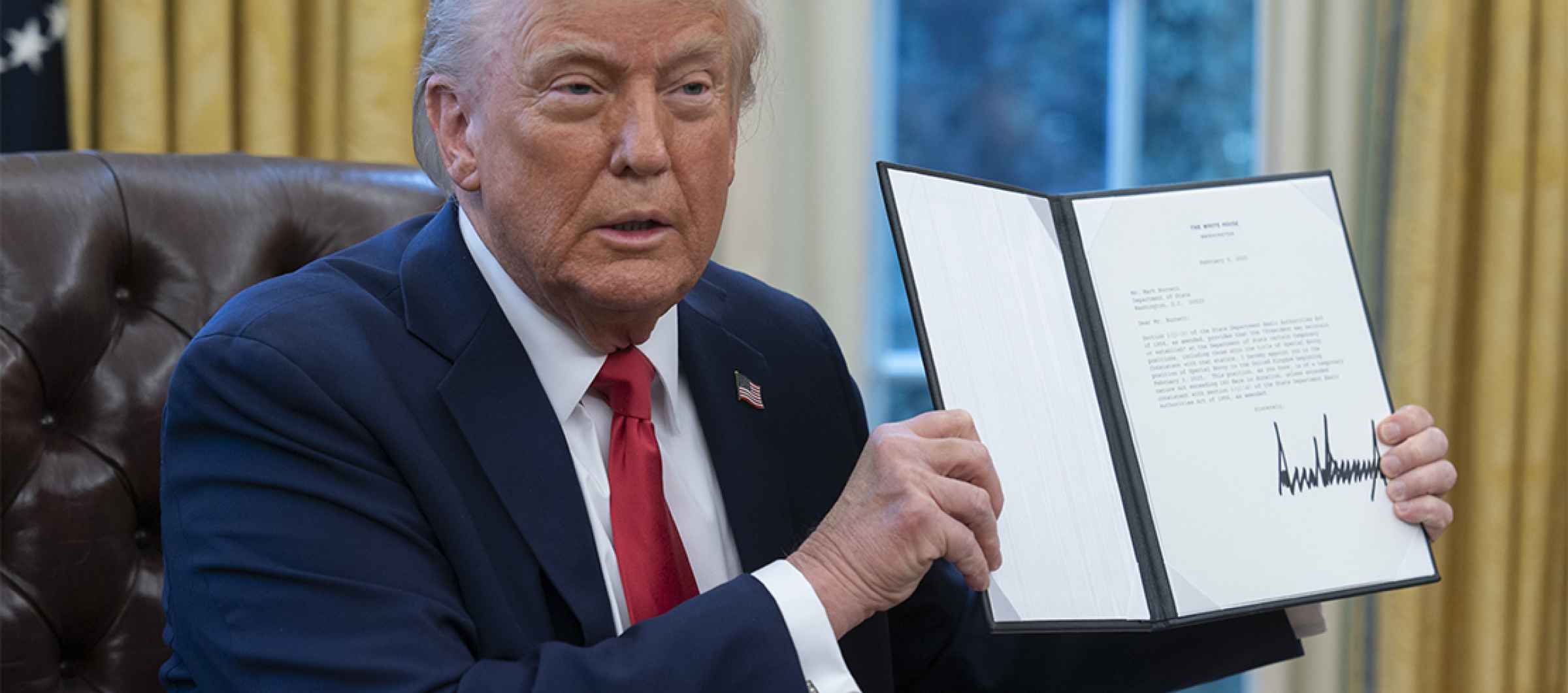
The legal foundation for executive orders lies in the U.S. Constitution, specifically Article II, which outlines the powers and duties of the president. While the Constitution does not explicitly mention executive orders, it grants the president the authority to enforce laws and manage the executive branch. This authority has been interpreted to allow the issuance of executive orders.
Executive orders can vary in purpose and scope, depending on the issue they address. Some common types include:
These orders focus on managing the operations of federal agencies and ensuring compliance with laws. They may involve reorganizing departments, establishing new rules, or streamlining processes.
We invite you to share your thoughts and insights in the comments section below. For more in-depth analysis of political and legal topics, explore our other articles and resources. Together, we can foster a deeper understanding of the complex issues shaping our world today.
While executive orders are a powerful tool, they are not without limitations. Subsequent presidents can overturn or modify existing orders, limiting their long-term impact. Additionally, courts can strike down orders deemed unconstitutional or exceeding presidential authority.